
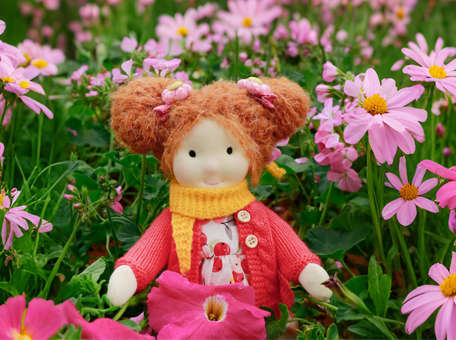
The Hidden Comfort: Why We Love Plush Dolls Across Ages and Cultures In every culture, there exists a fascination with soft, comforting figures—objects that feel alive through the emotions we project onto them. Among these, plush dolls hold a special place. They are more than toys; they are companions that mirror our need for warmth, nostalgia, and emotional connection. But what makes these soft dolls so universally loved?
Comfort and the Psychology of Touch
The soft texture of a plush doll is deeply tied to human psychology. Studies show that physical softness activates feelings of safety and calmness in the brain. For a child, hugging a doll is an instinctive way to self-soothe. For adults, that same gesture can evoke peace after a stressful day. This tactile comfort explains why many people keep their plushies close even in adulthood—on a bed, a sofa, or a work desk. The gentle texture is a physical reminder of emotional security.
The Cultural Universality of Plush Dolls
No matter where you are in the world, you’ll find some version of plush dolls—from Japanese kawaii mascots to European teddy bears and African fabric dolls. Each carries cultural identity while serving the same human purpose: to nurture and be nurtured. In Japan, plushies often represent characters that embody kindness and positivity. In Western cultures, stuffed animals symbolize love, often given as gifts during childhood or romance. This shared affection for softness transcends borders, revealing a universal emotional language.
Emotional Projection and Memory
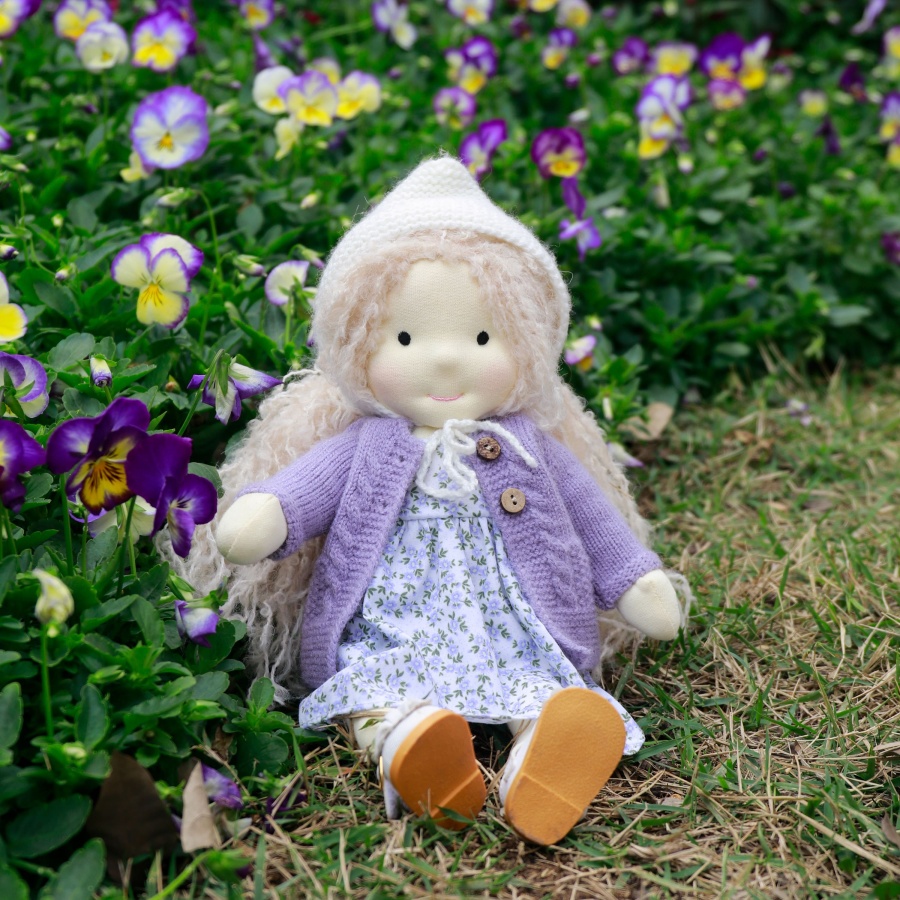
Psychologists describe plush dolls as “transitional objects.” They help children separate from parents while still feeling emotionally supported. Over time, these objects absorb stories, scents, and experiences. As adults, we don’t simply keep a doll for its appearance—we keep it for the memories it holds. The plush doll becomes a vessel of nostalgia, reminding us who we were and who loved us. This deep emotional imprint explains why many people hesitate to throw away their childhood dolls. Letting go of them feels like erasing a part of the self.
Plush Dolls in Modern Adulthood
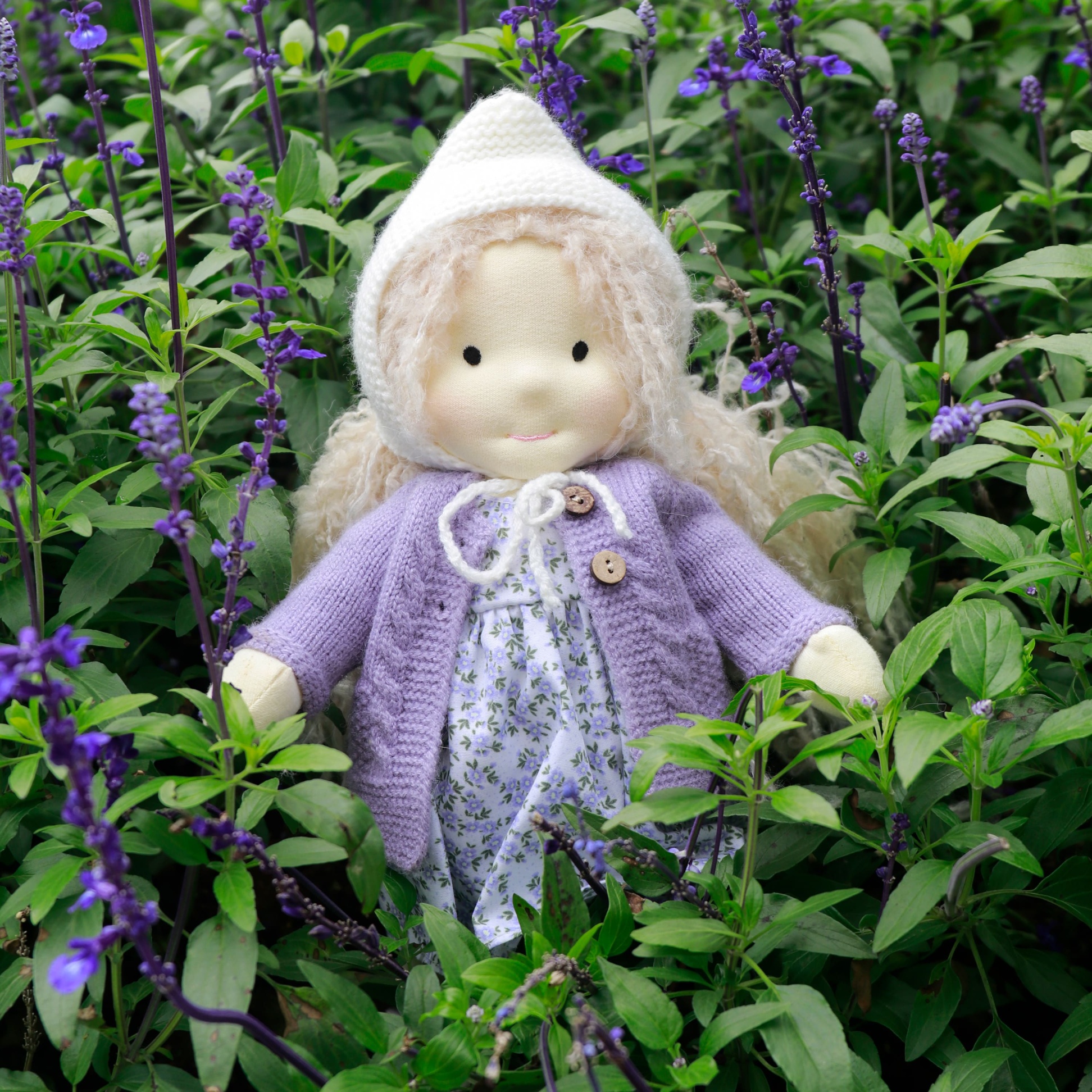
In recent years, the role of plush dolls has expanded beyond childhood. Adults now collect handmade or artist-designed dolls for art, therapy, and decoration. Some even use soft dolls in mindfulness practices, as tactile anchors during meditation or stress relief. Rather than being childish, this attachment reflects self-care and emotional awareness. People are learning to embrace softness—not as weakness, but as a source of strength and authenticity.
Symbolism in a Digital World
In a time when most connections are digital, plush dolls offer something tangible and real. They remind us of physical presence, of warmth that can’t be replaced by screens. A plush doll sitting quietly in a room carries a kind of stillness that balances modern life’s chaos. It whispers: you are safe, you are loved. That simple, silent comfort is timeless.
Conclusion: The Soft Side of Humanity
Our love for plush dolls is not childish—it is profoundly human. Across cultures and generations, these soft companions represent care, creativity, and emotional survival. They remind us that tenderness is a form of strength and that every person, no matter their age, deserves comfort. In the end, a plush doll is not just fabric and thread—it’s a reflection of our shared desire to feel seen, held, and understood.