
Are all soft dolls the same?
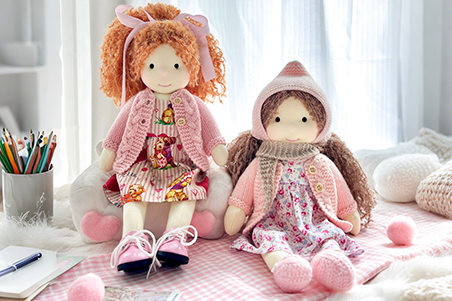
Not exactly. While both plush dolls and Waldorf dolls are soft and cuddly, they come from very different worlds. Plush dolls often focus on cuteness and variety. You’ll find animals, fantasy creatures, and cartoon-inspired shapes. Waldorf dolls, on the other hand, have a unique educational purpose.
Why are Waldorf dolls so simple in design?
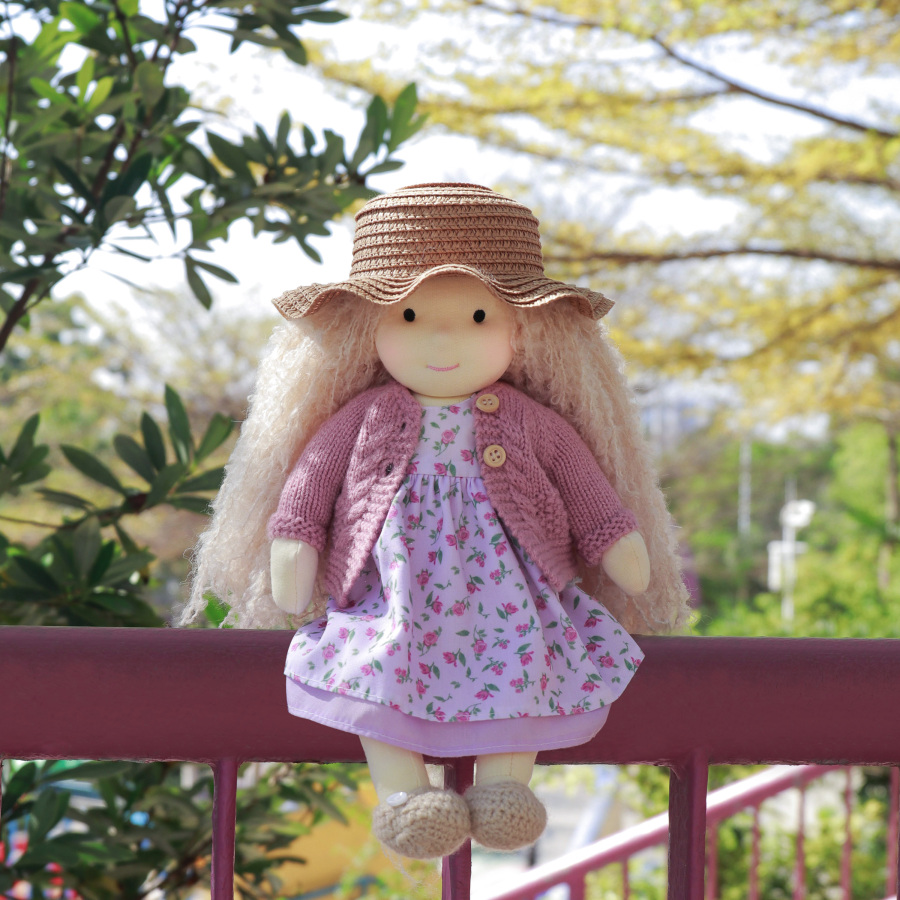
That’s intentional. A Waldorf doll usually has a neutral expression and minimal facial features. This simplicity allows children to imagine a range of emotions. Happy, sad, curious—the child decides. It encourages storytelling, empathy, and imaginative play.
Which one is better for young children?
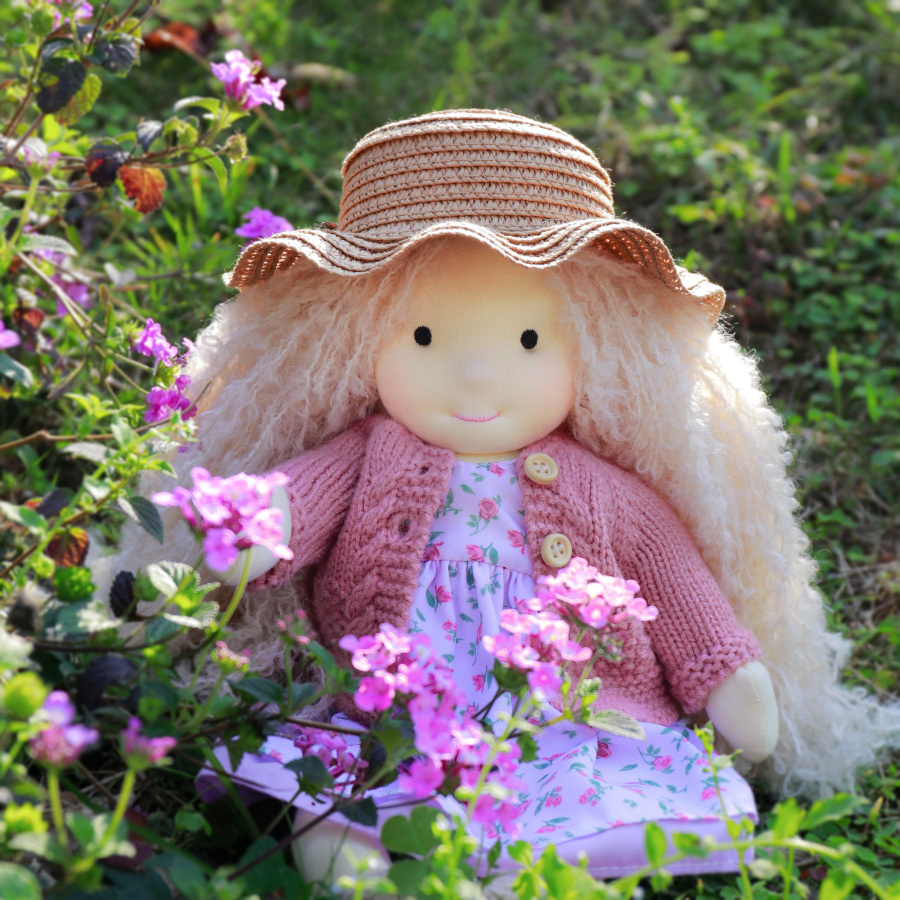
It depends on the goal. If you want a toy for cuddles and bedtime, a plush doll is perfect. They’re soft, colorful, and often machine washable. But if you're looking to support creativity and emotional development, the Waldorf doll shines. Handmade with natural materials, they reflect warmth and personality.
Are they safe for toddlers?
Yes, both types are generally safe—but check the materials. Plush dolls may contain synthetic stuffing and small parts like plastic eyes. In contrast, Waldorf dolls are usually crafted with wool and cotton, with embroidered features—ideal for natural-minded parents.
What about gifting?
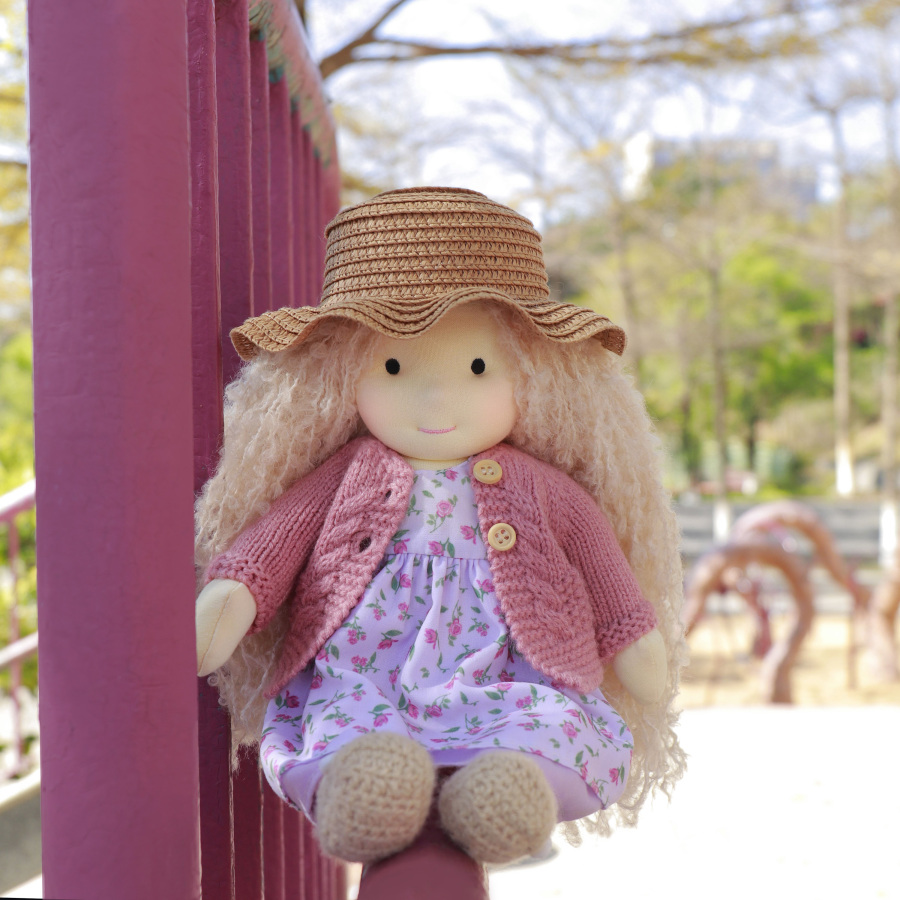
Great question. A plush doll makes an excellent first friend. They're affordable, widely available, and kids adore them. A Waldorf doll, though, is often cherished for years. It’s a meaningful gift—especially for birthdays, holidays, or new babies.
Final Thoughts: Which Should You Choose?
If you value variety and instant cuteness, go for a plush doll. If you believe in slow toys, handmade craftsmanship, and open-ended play, a Waldorf doll might be the perfect match.
Why not try both? Every childhood has room for more than one kind of magic.